The One-Glodacert Partner with KTL on Korea RRA Certification and In-Taiwan Testing for AI Servers
Exploring a Korea market entry model that better fits Taiwan’s AI server makers, through practical industry exchange
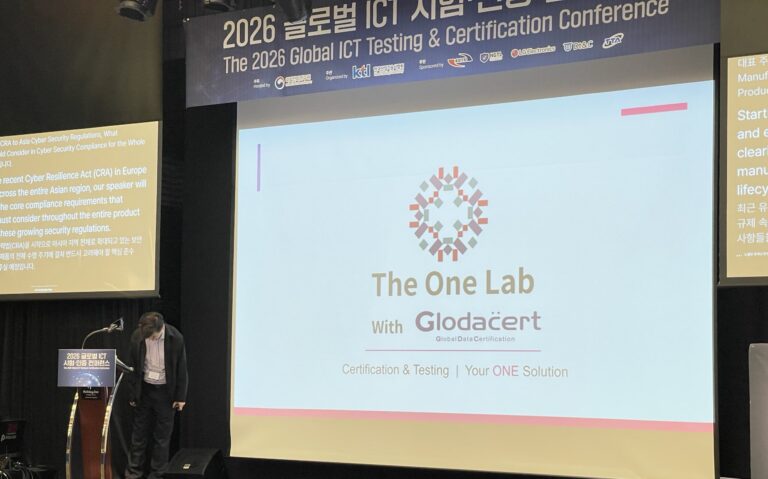
On October 22, 2026, The One-Glodacert held the “AI Server Korea RRA Certification and In-Taiwan Testing Seminar” in Taiwan. The technical team from Korea Testing Laboratory (KTL) was invited to Taiwan to discuss practical issues with Taiwan’s AI server industry, including Korea KC/RRA certification, testing of large equipment, and testing in Taiwan.
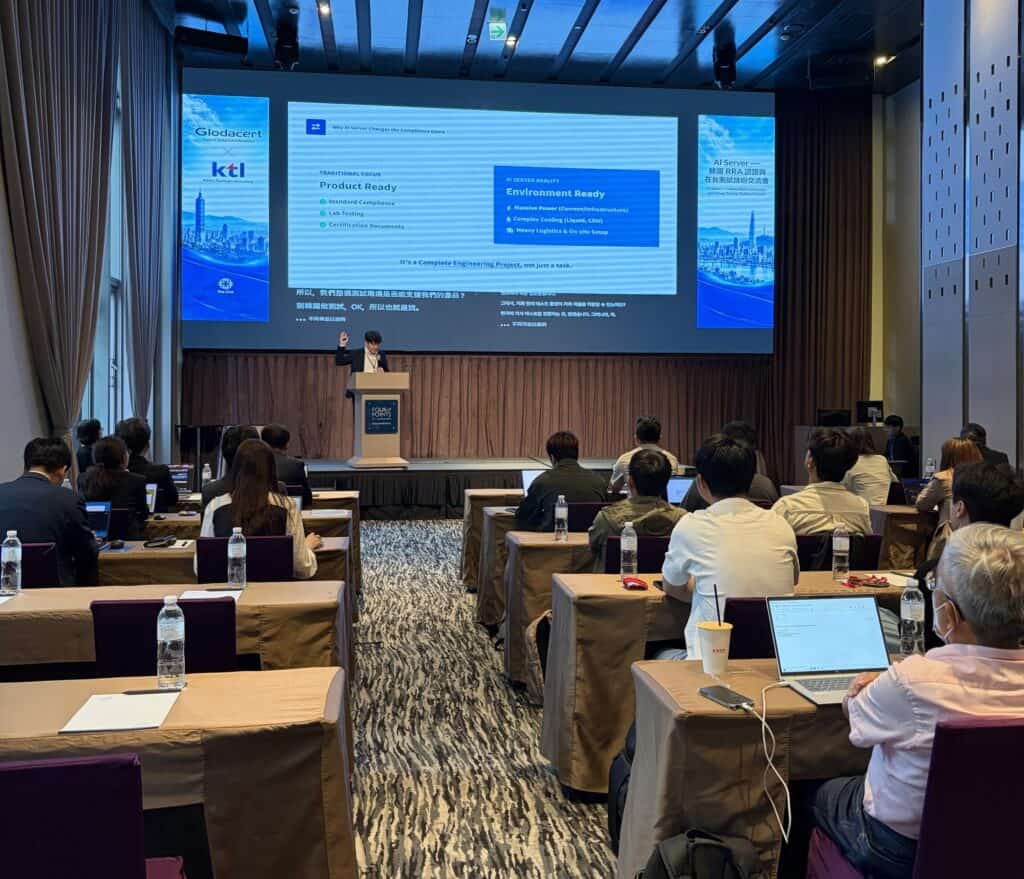
Representatives from many AI server, server and ICT companies took part, including AMD, Quanta, Foxconn Industrial Internet’s server unit (Foxconn Group), Pegatron, Accton and Sanmina. Together they discussed the problems that large AI servers face when entering the Korean market, such as certification, the test environment, transport, liquid cooling systems and Witness Testing.
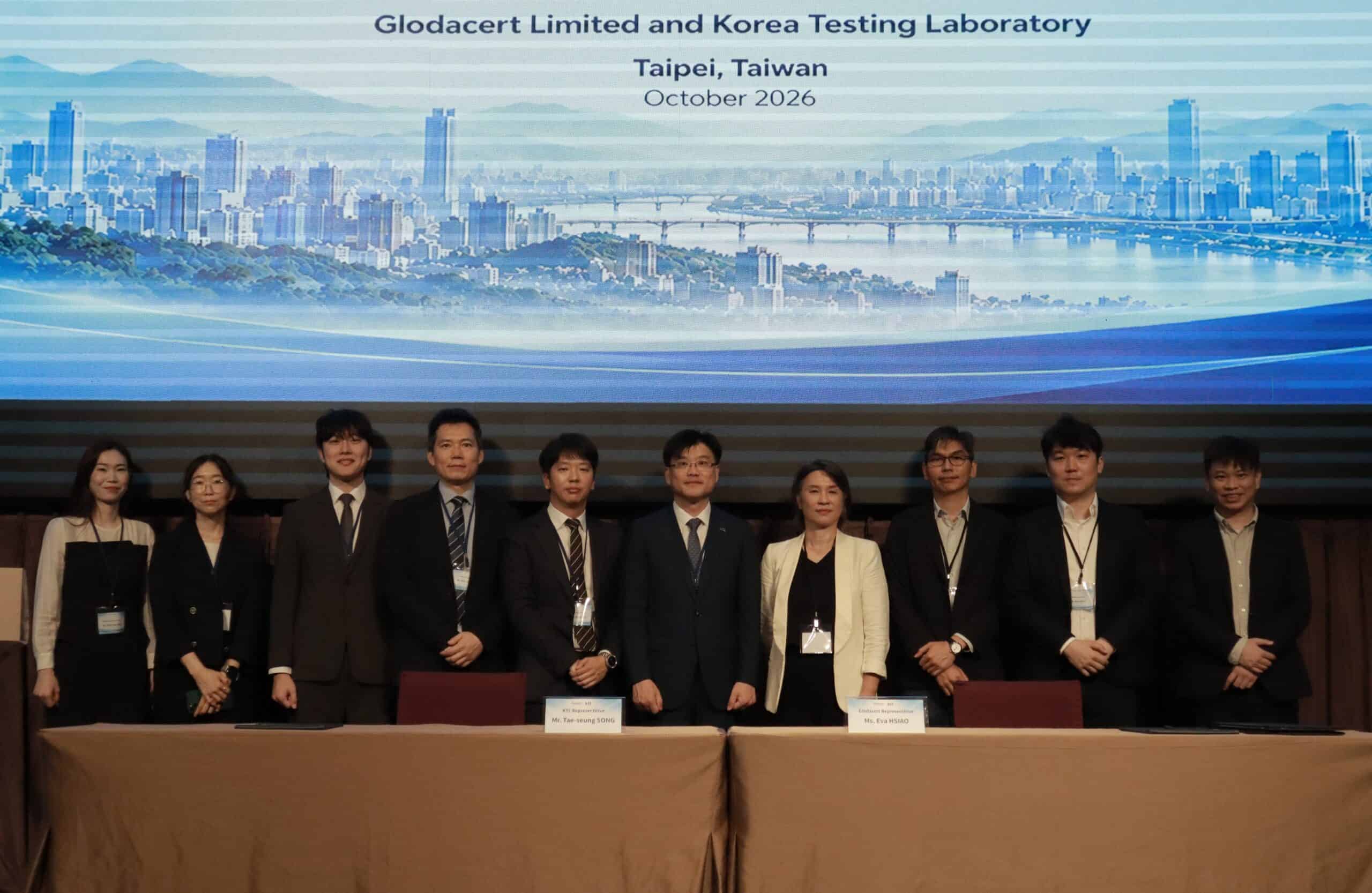
Glodacert and KTL both said they want to deepen their cooperation. They aim to combine the real needs of Taiwan’s AI server industry, Glodacert’s experience in project management and risk planning, and KTL’s technical ability in Korean testing and RRA certification. The goal is a more efficient and lower-risk way for Taiwanese companies to carry out testing and certification in Korea.
As AI Servers Grow Larger, Certification Issues Now Reach the Whole Test Environment
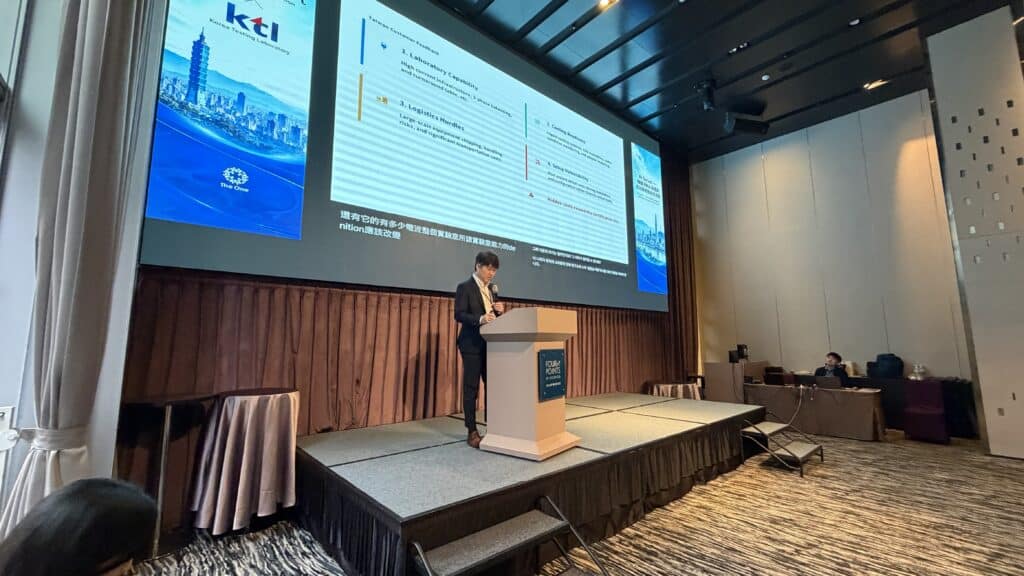
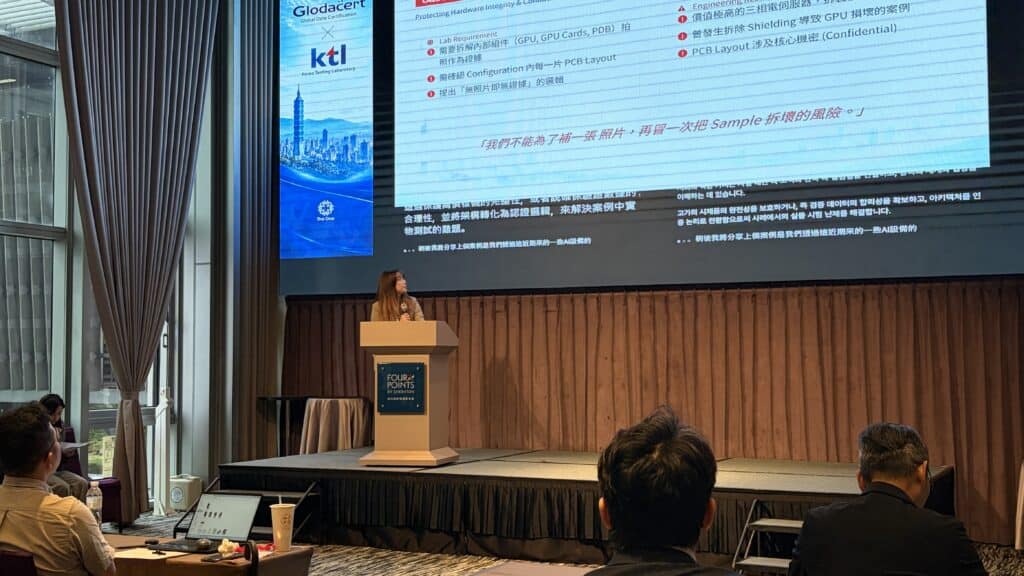
Taiwan is a key global base for AI server design and manufacturing.
New-generation AI servers keep moving toward higher power, higher current, large racks and liquid cooling. As a result, the challenges of entering the Korean market have grown beyond simple regulatory compliance. They now include the lab’s power capacity, the cooling system, the CDU, equipment transport, on-site setup, test configuration and engineering support.
For large AI servers, testing and certification risk no longer comes only from whether the product meets the standard.
Whether the lab has enough power supply, whether the liquid cooling system can be set up smoothly, whether the equipment can be shipped safely, and whether both the product side and the lab have prepared well before testing can all directly affect the cost and schedule of the whole project.
For this reason, Glodacert and KTL focused on how to solve more problems before the formal submission for testing. This would reduce uncertainty when large, high-value AI servers are tested across borders.
Looking Beyond the Certification Fee to the Total Project Cost
At the event, Glodacert shared practical observations from recent Taiwan AI server cases, including Power, Cooling, Transportation, Setup and Configuration Management.
Glodacert believes that when planning Korea certification for AI servers, companies should not compare only the single Certification Fee. They should use Total Project Cost as the basis for evaluation.
Besides testing fees, they should also consider equipment transport, customs clearance and handling, special fixtures, CDU, adapters, engineering support, on-site setup, retesting and the risk of project delay.
For large AI servers, an option with a lower test fee does not necessarily mean a lower total project cost.
Therefore, Glodacert hopes to help customers start from the product architecture and the real testing needs, and find a Korea Market Entry Route that balances cost, schedule and risk more sensibly.
Building a Pre-shipment Readiness Check to Solve Problems Early
At the seminar, KTL also shared what information the lab wants to receive early, before a large AI server is shipped to Korea for formal testing. This includes existing CE/FCC test data, the Test SOP, how each port is enabled, the System Configuration, equipment size and weight, and Power and Cooling Requirements.
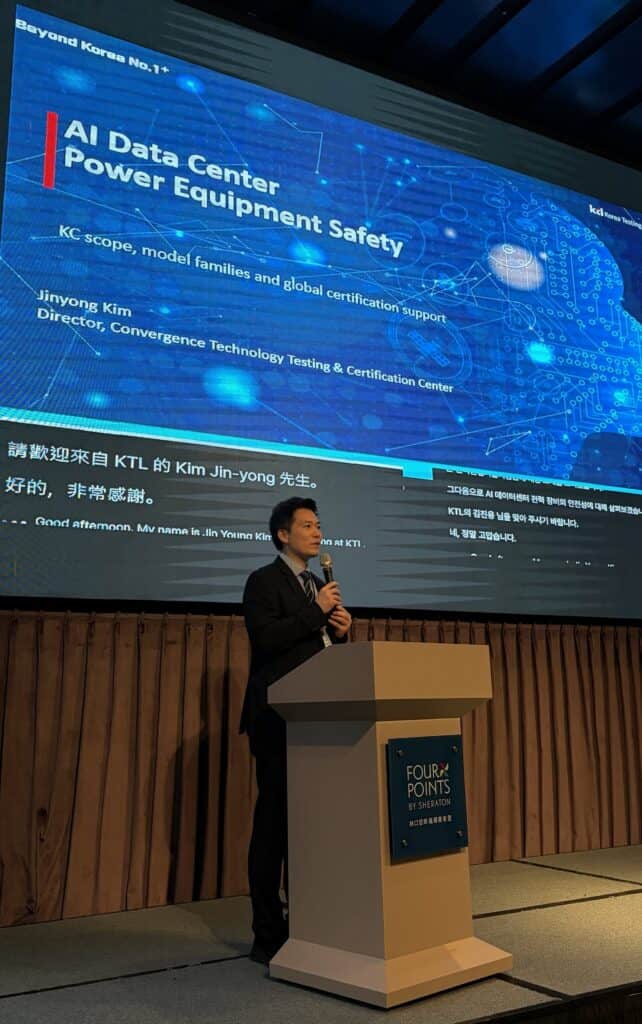
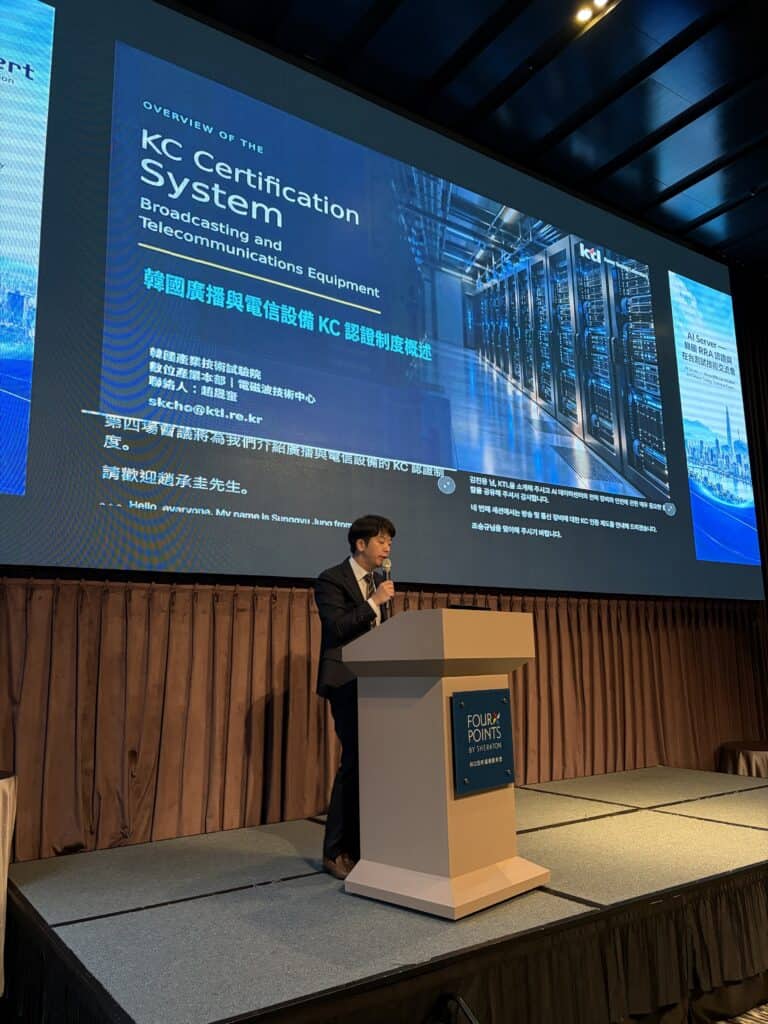
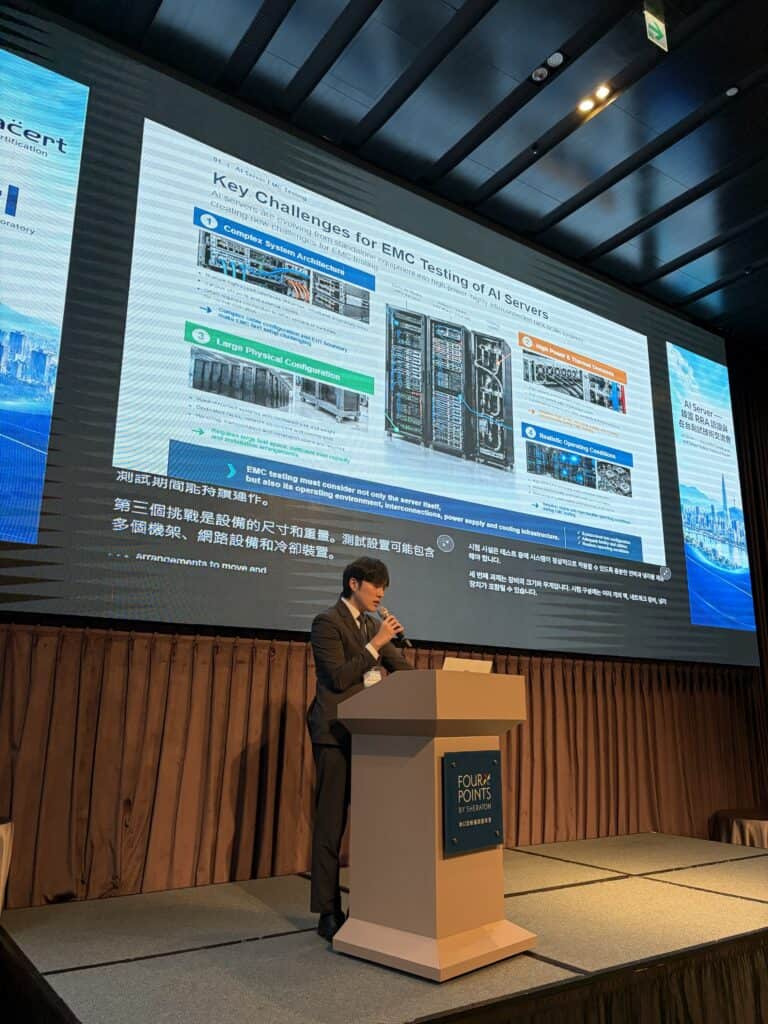
This information helps KTL confirm, before shipment, whether the test environment can support the product.
For this reason, Glodacert also hopes to gradually build a working model for a Pre-shipment Readiness Check.
The key check will no longer stop at:
“Is the sample ready?”
Instead, it will go further to confirm:
“Is the whole testing configuration ready?”
A pre-review before the product ships can address issues with Power, Cooling, Connectors, Test SOPs, Auxiliary Equipment or Operating Methods early. This reduces the risk of having to set up again, add equipment, or send engineers on another trip after the equipment arrives in Korea.
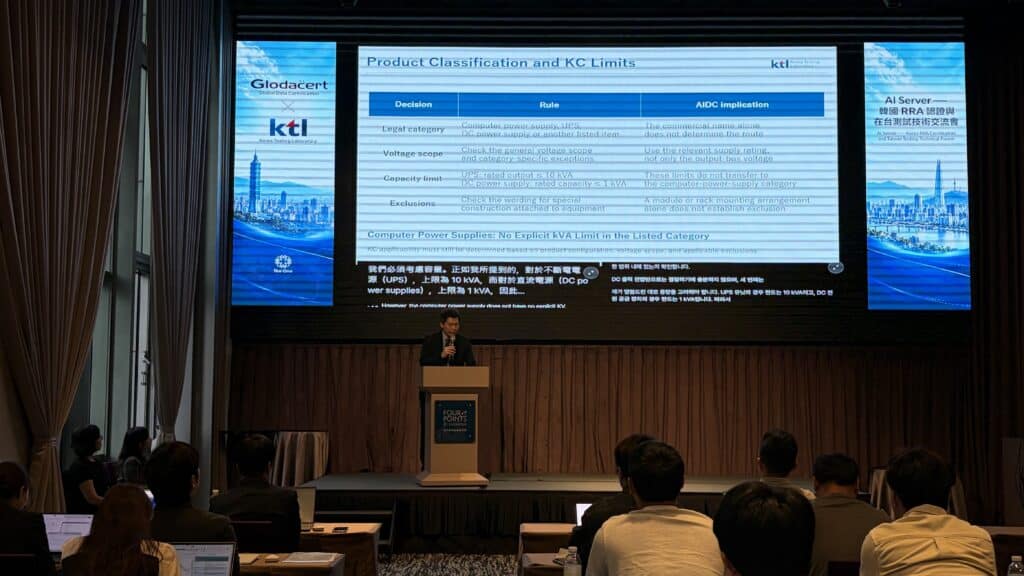
Witness Testing Becomes a Top Concern for Taiwan’s AI Server Makers
At the seminar, Witness Testing was one of the topics that AI server makers cared about most.
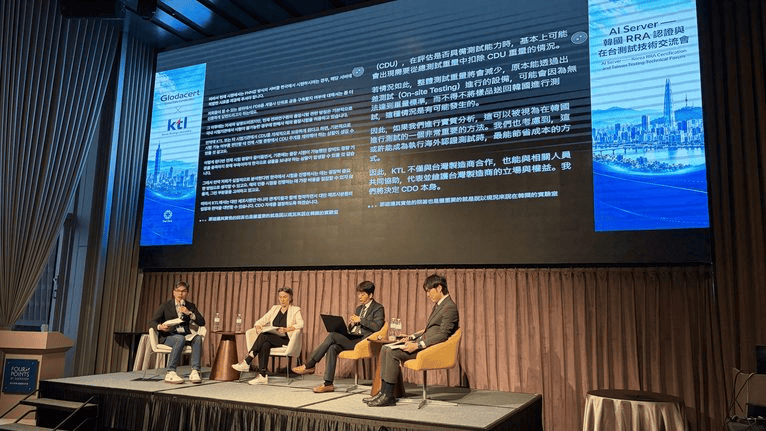
As AI servers grow in weight, power and system scale, moving complete equipment across borders to a Korean lab for testing brings higher logistics costs, more equipment risk, more engineering support and more complex setup.
KTL explained the actual conditions for carrying out Witness Testing under the Korean RRA framework. It also explained the roles and responsibilities of KTL, local labs in Taiwan and the Manufacturer during testing.
For Taiwanese companies, if Witness Testing or other test models suited to large equipment can be used more effectively in the future, within RRA rules and lab requirements, the burden of sending large AI servers abroad for testing could be reduced.
Glodacert and KTL also hope to keep working together on related real cases and slowly build experience in testing large AI servers in Taiwan.
From L10 and L11 to a Certification Strategy for the Whole Product Lifecycle
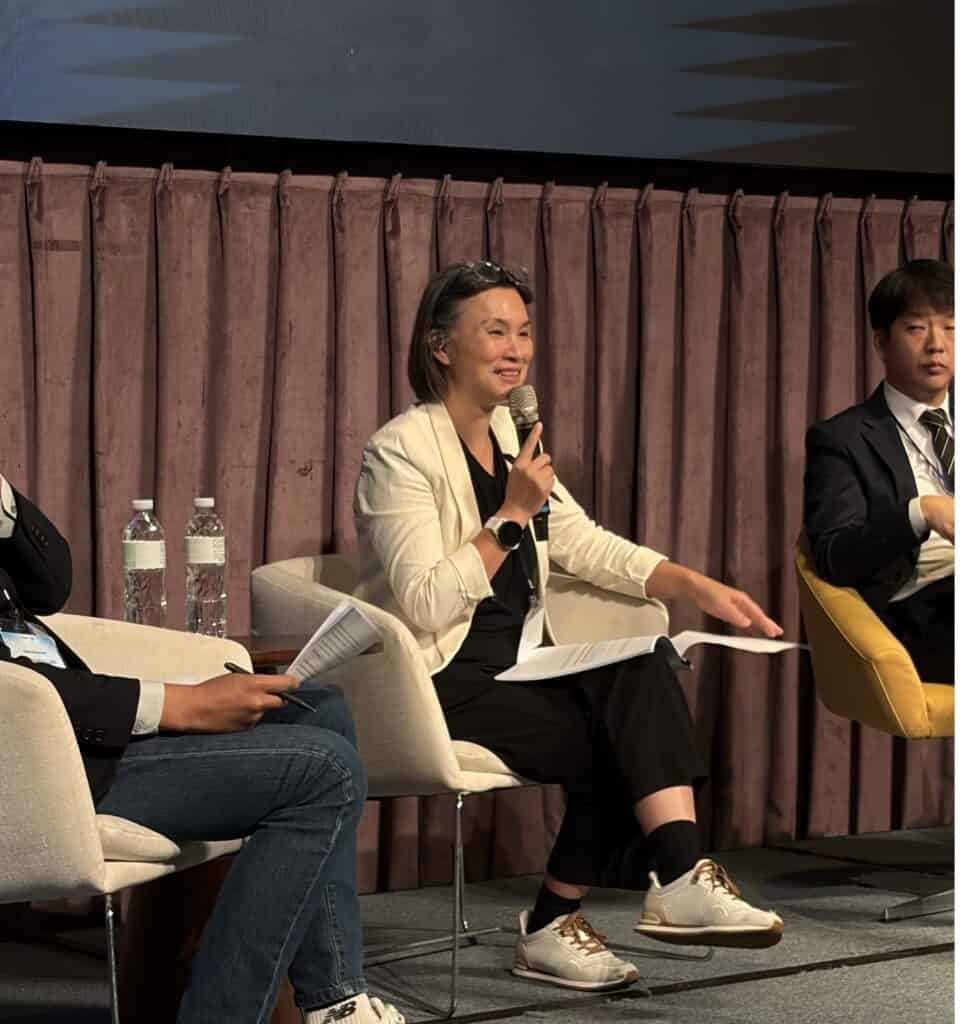
Besides the test location, the seminar also covered the choice between L10 and L11 in Korea KC certification for AI servers, and later Component Change Management.
Modules in an AI server, such as SSD, RAM, NIC, PSU and FPGA cards, often change during the product lifecycle.
Therefore, the product Configuration chosen for the first certification, and whether L10 or L11 is used to manage it, can directly affect how flexible later product changes will be and how much retesting is needed.
Glodacert hopes to bring this kind of certification strategy forward to the product architecture and market entry planning stage. This would help customers consider lifecycle change management and certification cost from the very first certification.
Bringing the Shared Needs of Taiwan’s AI Server Industry Into Korean Certification Discussions
The event also included a Customer Dialogue. Representatives from Taiwan’s AI server industry raised problems from real projects, and KTL responded from the viewpoint of Korean lab and RRA certification practice.
From the exchange among the representatives on site, including AMD, Quanta, Foxconn Industrial Internet’s server unit (Foxconn Group), Pegatron, Accton and Sanmina, it was clear that different AI server makers face very similar problems.
Large equipment transport, high-power supply, liquid cooling, CDU, Witness Testing, L10/L11, Component Change, and test sites and engineering support have all become shared industry issues for AI servers entering the Korean market.
Glodacert and KTL hope to keep collecting the common needs and technical problems from real cases. With more Project Evidence and industry feedback, they hope the Korean testing and certification system can better understand what Taiwan’s large AI servers need in practice.
Building a More Efficient AI Server Certification Bridge Between Taiwan and Korea
The core message of this “AI Server Korea RRA Certification and In-Taiwan Testing Seminar” was very clear:
In the future, Testing and Certification for AI servers will need earlier technical planning, a more complete check of the test environment and closer cross-border cooperation.
Glodacert will keep combining the product and project needs of Taiwan’s AI server makers with its own experience in project management, risk planning, cross-border certification and technical communication with customers. KTL will contribute its Korean testing capability, its KC/RRA certification experience and the technical experience it has built up with Korean authorities over many years.
In the future, both sides hope to keep exploring Pre-assessment, Pre-shipment Review, Witness Testing, Testing Configuration for large AI servers, and other test cooperation models that meet Korean regulatory requirements.
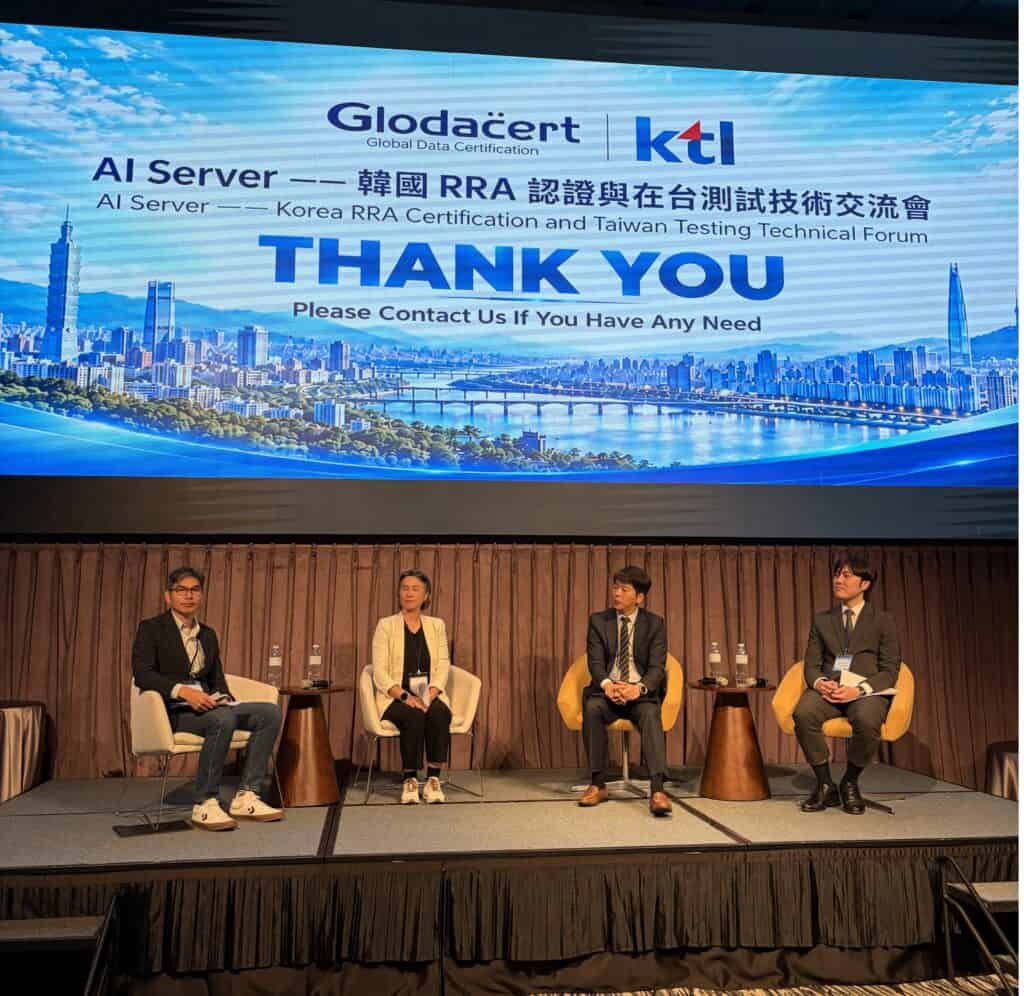
Through long-term cooperation with KTL, Glodacert hopes to help Taiwan’s AI server makers learn Korean test conditions earlier, control project cost and risk more effectively, and build a more predictable Korea Market Entry Route.
As AI servers keep growing larger and more system-like, the testing and certification model must also evolve.
Glodacert and KTL will keep building on real cases, industry needs and technical exchange, and will explore together a Korean testing and certification cooperation model that better suits Taiwan’s AI server industry.
Not Sure Where to Start?
Request a free initial consultation or product assessment.
Our experts are here to help.